Case study
A Dubai homeowner, two contractors, one lesson
When Amira moved into a two-bedroom villa in Al Barsha last spring, the previous owner had left behind two aging split units. She hired the cheapest contractor she could find on a classifieds site to swap them out. Three months later, one indoor unit was leaking onto the parquet, the other tripped the breaker every afternoon, and her DEWA bill had climbed by nearly 40 percent. She started over, and this time she did her homework.
Before and after: the same villa, two different jobs
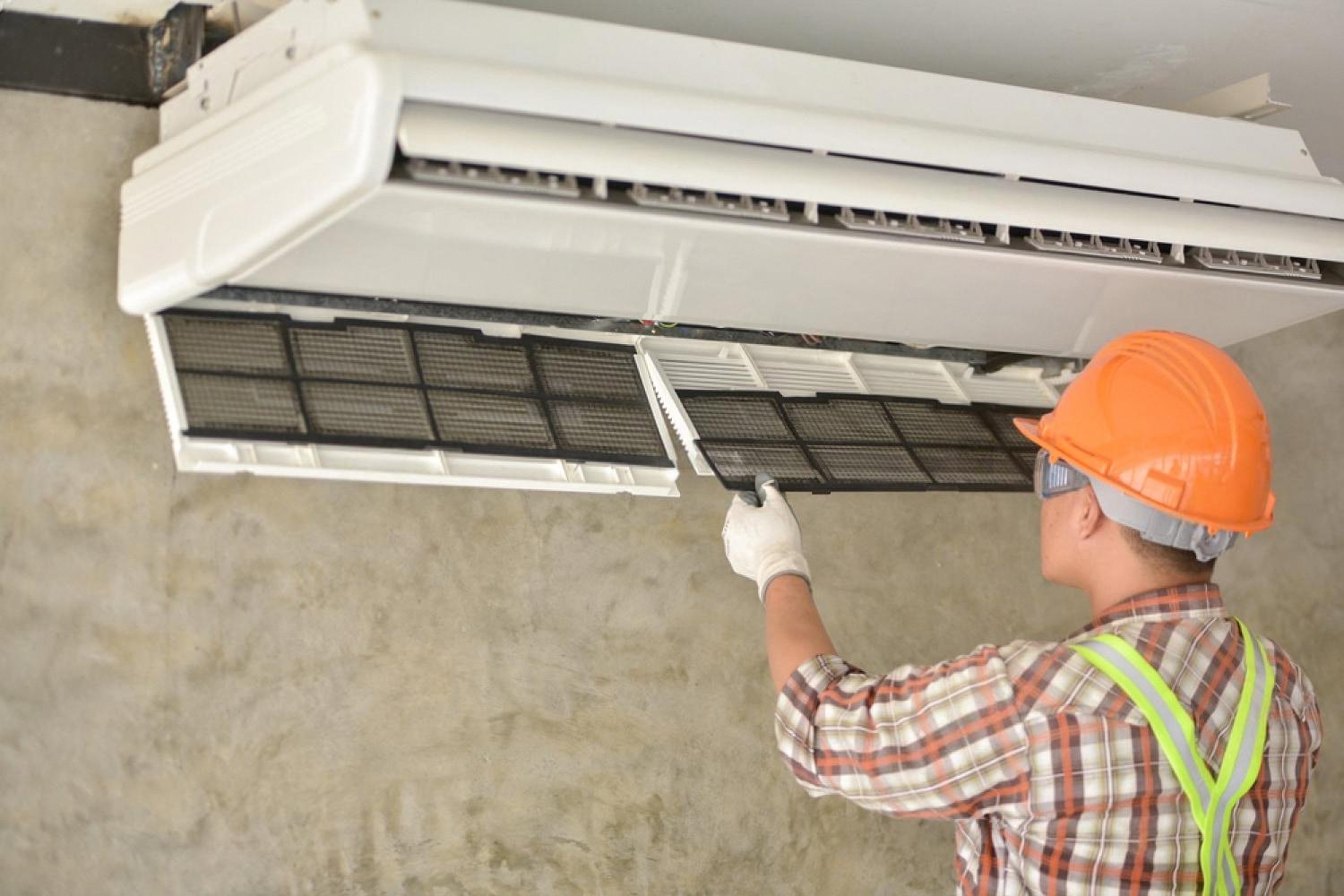
Undersized units, no drainage slope, exposed copper piping, and a verbal-only warranty that no one honoured when the leaks started.

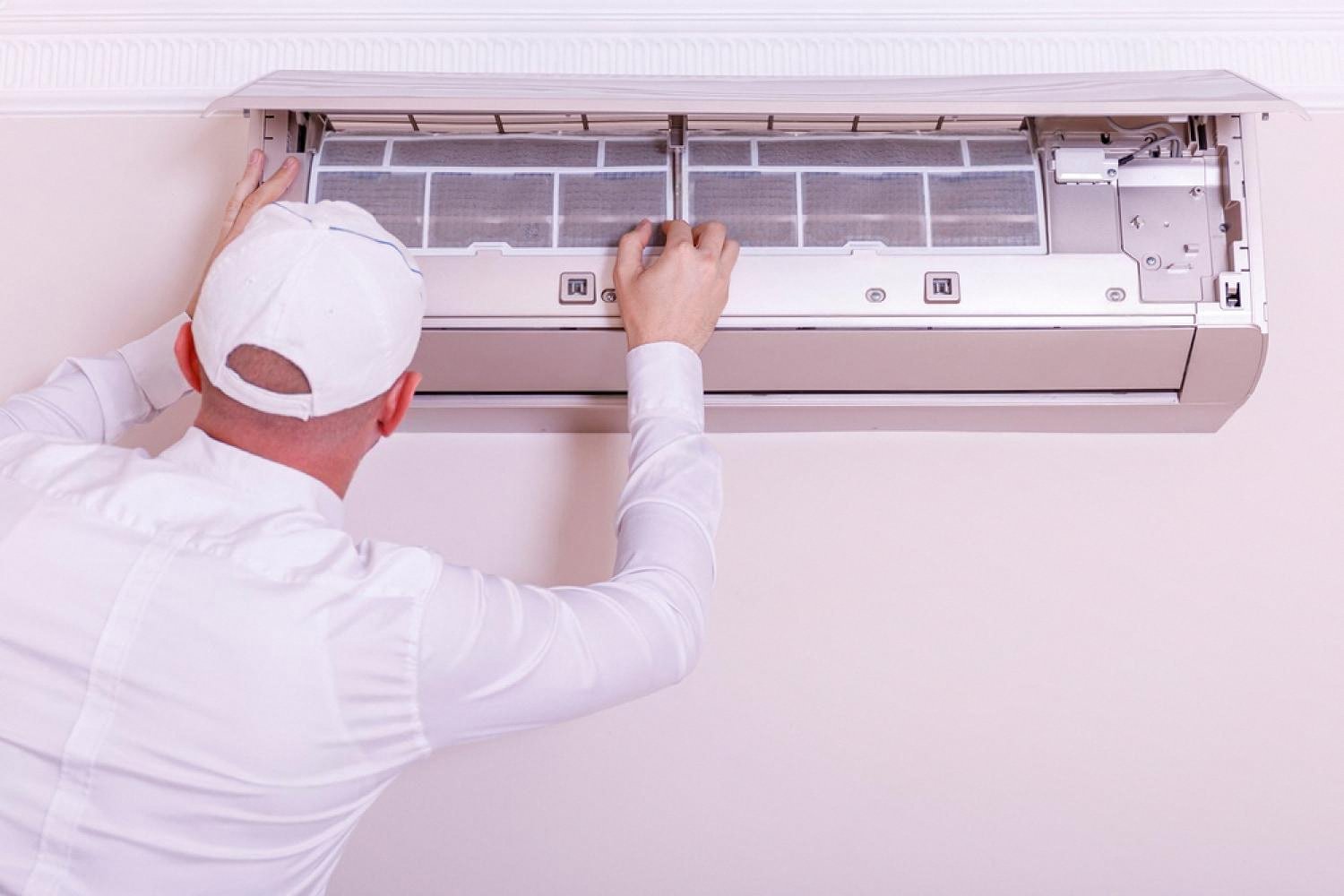
Correctly sized inverter units, insulated pipework, a proper condensate route, and a signed one-year service plan. The living room now holds 23 C without the compressor cycling constantly.
Round one
What we tried first, and why it went wrong
The first contractor quoted about half of the market rate and promised a same-day install. On paper that sounded like a win. In practice, several corners were cut, and every one of them cost more money later.
- No load calculation. The technician eyeballed the rooms and picked units by feel. The master bedroom got a 1.5-ton unit that struggled through July, when outdoor temperatures in the UAE routinely push past 45 C.
- No trade licence shown. There was no Dubai Municipality or DED paperwork on file, so when the leak damaged the flooring, there was no accountable party to claim against.
- Cheap consumables. Non-insulated copper, thin drain hose, and a bracket screwed straight into hollow drywall. Within weeks the outdoor unit was vibrating loose.
- Zero after-sales. Calls went unanswered after the invoice was paid. No service schedule, no filter cleaning, nothing.
According to basic HVAC guidance an undersized system runs longer and harder to hit setpoint, which is exactly what showed up on the electricity bill.
Round two
What actually worked the second time
Amira spent a weekend messaging neighbours in the villa’s WhatsApp group, reading Google reviews, and asking two contractors to come out for a proper site visit before quoting. Three things separated the winning contractor from the rest:
- Verifiable experience in the UAE. The company had been operating in Dubai for over a decade and could show completed jobs in similar villa communities. Local experience matters because coastal humidity, salt air, and 12-month cooling loads punish equipment differently than in milder climates.
- Technicians, not just salespeople. A senior engineer measured each room, checked the electrical panel capacity, and looked at where the outdoor units could sit without blowing hot air onto a neighbour’s window. He recommended inverter split units sized correctly for each room, not the biggest ones on the shelf.
- A written scope and warranty. The quote itemised the units, brackets, insulated piping, drain routing, gas top-up, and a one-year service plan with two mandatory visits. If anything failed inside that year, the labour was covered.
- Flexibility for short-term needs. While the villa install was scheduled, they arranged an outdoor air cooler rental for a weekend gathering on the terrace, which kept guests comfortable without rushing the main job.
The checklist Amira wishes she had used first
- Ask how long they have installed in the UAE. Five years and up is a reasonable floor. Companies that survive UAE summers year after year know which brands hold up.
- Read reviews on more than one platform. Google, Facebook groups for your community, and Property Finder threads all tell you slightly different things. Look for complaints about after-sales, not just install day.
- Ask friends and neighbours. Most UAE households already run AC. A neighbour who has lived with the same contractor’s work for two years is a better reference than any glossy website.
- Insist on a site visit before the quote. Anyone who quotes over the phone without seeing the rooms is guessing. Room size, ceiling height, window orientation, and existing electrical load all matter.
- Get everything in writing. Brand, model, tonnage, piping length, warranty period, and the service schedule. A contract you can point to is worth more than a promise on WhatsApp.
- Check the licence. Cooling and refrigeration work in the UAE should be done by a company with the right trade licence and technicians trained in handling refrigerants safely, in line with MOCCAE environmental rules.
The cheapest quote cost me twice. The right contractor cost more up front and saved me on every bill after. Ask questions, insist on paperwork, and pick people who plan to still be around next summer.
The takeaway
Three things to optimise for
- Right sizing over biggest unit. A properly matched BTU rating keeps humidity down and running costs sane.
- People who answer the phone in August. After-sales response time is the single best predictor of long-term satisfaction.
- A paper trail. Licence copy, itemised quote, and a written warranty. If a contractor resists any of these, keep looking.
Frequently asked questions
How much does AC installation typically cost in the UAE?
Prices vary widely depending on the brand, tonnage, and complexity of the pipe run. A straightforward split unit install in an apartment is usually cheaper than a villa job that needs longer piping and multiple outdoor units. Always ask for an itemised quote so you can compare apples to apples, not a single lump-sum figure.
Should I choose a big-name company or a smaller local contractor?
Both can work. Large companies tend to have more predictable processes and stronger after-sales desks. Smaller local contractors often give more personal attention and faster response times. What matters more than size is verifiable experience in the UAE, a proper trade licence, and clear written terms.
How do I know the contractor is properly licensed?
Ask for a copy of the DED trade licence and confirm that cooling and refrigeration work is listed in the activities. In Dubai you can verify a licence number through the DED portal. A licensed company is accountable to a regulator, which matters if something goes wrong.
What warranty should I expect on a new installation?
Expect a manufacturer warranty on the unit itself (usually one to five years on parts, longer on the compressor) plus a separate installation warranty from the contractor covering labour and workmanship. One year on installation labour is the common minimum in the UAE market.
How often should cooling systems be serviced in the UAE climate?
Because the systems run almost year-round, two professional services per year is the safe rhythm: one before summer and one mid-season. Filters should be checked or cleaned every month or two during peak use. A good contractor will build this into a service contract.
Can I keep my old contractor for maintenance if a different company installed the unit?
Yes, but confirm two things first. The new maintenance provider should be willing to inspect the existing installation and note any pre-existing issues in writing so they are not blamed later. Also check that switching providers does not void any transferable manufacturer warranty on the equipment.

I am Administrative Assistant with eight years of experience working alongside the executive team.